Art, tech & sustainable futures
Exploring how we live, work and feel in times of automation and uncertainty.
Learning in a big organization
In Danske Bank, I learned how design work happens inside large, regulated systems.
I worked between business, design, and technology, often helping teams align on problems before moving to solutions. The work required careful listening, shared definitions, and clear handoffs across roles.
I learned how scale affects decision making, pace, and responsibility. Design systems and processes functioned as coordination tools between teams, not as fixed outputs.
Design at this scale depended less on tools and more on trust, timing, and revisiting decisions as constraints changed.
2021-2025, Denmark
-
Danske Bank, Denmark
Senior UX DesignerWorked within a large, regulated financial institution serving private and corporate customers. Collaborated with designers, developers, product owners, and business stakeholders across multiple teams.
Designing an app for restaurants during covid
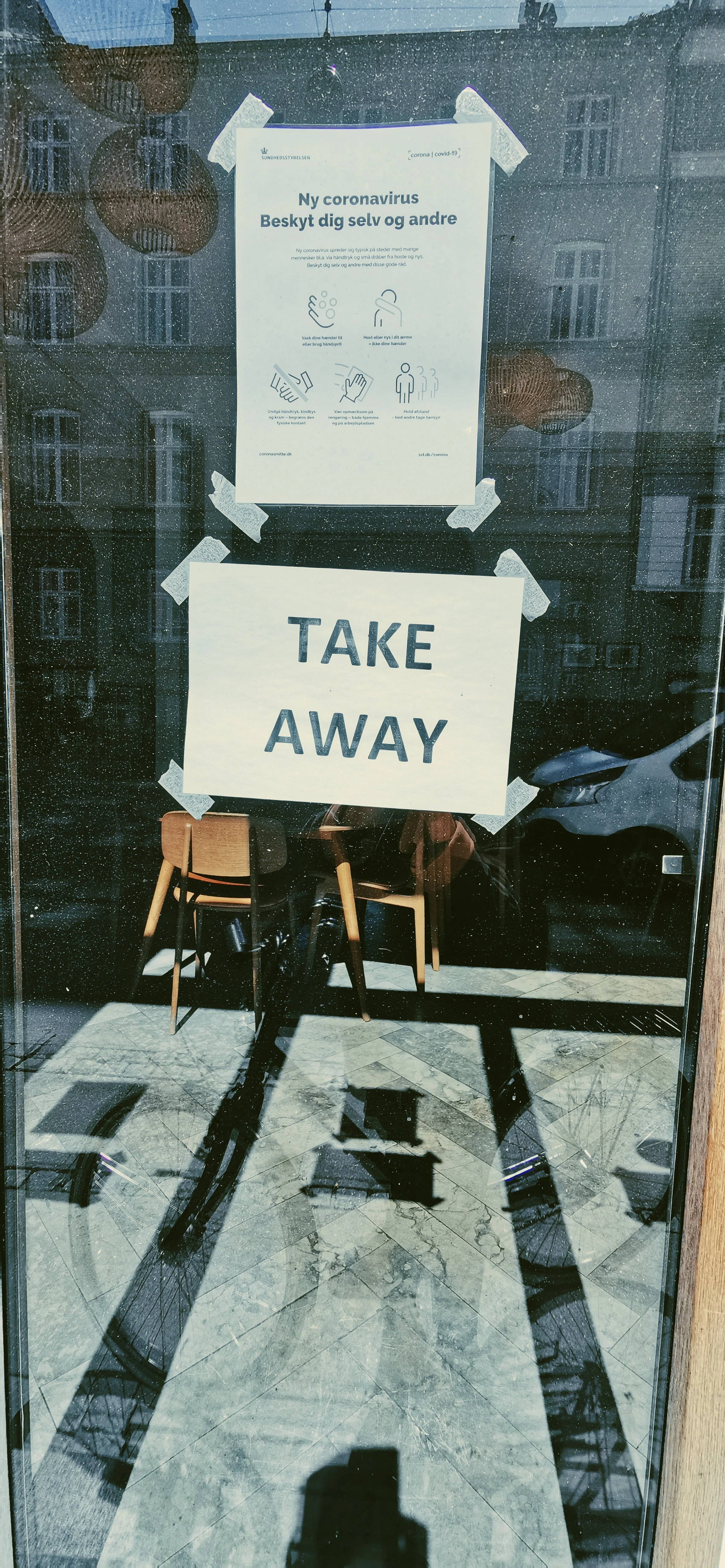
I joined Anna as the world shut down.
We were building tools for hiring, at a time when work itself was being redefined. My role was to design systems that helped restaurants and candidates meet with clarity and respect, even at a distance.
Alongside my design practice, I brought years of experience working in restaurants across different countries. That background shaped how I approached the product: attention to flow, timing, and human exchange under pressure.
I worked across research, interface, and structure, helping turn an early vision into something usable and durable. We adapted quickly, collaborated remotely, and learned to build with focus when certainty was unavailable.
2020, Denmark
-
Copenhagen, 2020
Thanks AnnaI worked on a mobile product intended to support hiring in restaurants, a sector where time is scarce and systems are often informal.
The work demanded sensitivity more than scale. Reaching restaurants required patience, trust, and a clear understanding of how work actually unfolds on the floor and in the kitchen. My background in hospitality shaped how I approached both research and design: listening closely, observing rhythms, and respecting constraints.
I led early discovery, speaking directly with owners and managers to understand how recruitment fit into already full days. Insights were translated into simple flows and structures, designed to reduce friction rather than add process.
Working within a small team, I contributed across research, UX, and iteration, aligning design decisions with technical realities and an evolving roadmap. The product was shaped through conversation, adaptation, and care.

reclaiming
attention
A digital wellness device to deal with social media addiction
It’s not only about the time we spend on our phone, but about rethinking the way we connect with ourselves. In this video I explored everyday scenarios in which different moments are lived through a device, with the presence of a device. Is tech is a tool, how can it enhance human experience?



Designing self-control
Developed during a residency at The Hive, France, 2019
This project explored how design might support a more conscious relationship with digital stimulation. The work took the form of a speculative device and app, created to make patterns of attention visible rather than hidden.
Drawing on behavioral design and play, the system used simple, Tamagotchi-like feedback to reflect the emotional cost of constant engagement. The goal was not restriction, but awareness.
I led the project from research to prototyping, working with an international, cross-disciplinary team. The outcome was a working prototype that invited pause, suggesting that sometimes design can reduce intensity rather than add to it.
-
Aix en Provence, 2019
Alongside my residency at The Hive, I worked as a design consultant on an exploratory project focused on digital wellbeing. The work took the form of a speculative device and companion app, created to surface patterns of digital overuse rather than control them outright.
The project was developed at a time when screen time features were only beginning to appear in mainstream products. This allowed the work to explore questions of awareness and restraint before clear patterns or standards had formed.
The concept drew from familiar forms of play and consequence, using gentle, Tamagotchi inspired feedback to make time, attention, and habit visible. The intention was not punishment, but reflection.
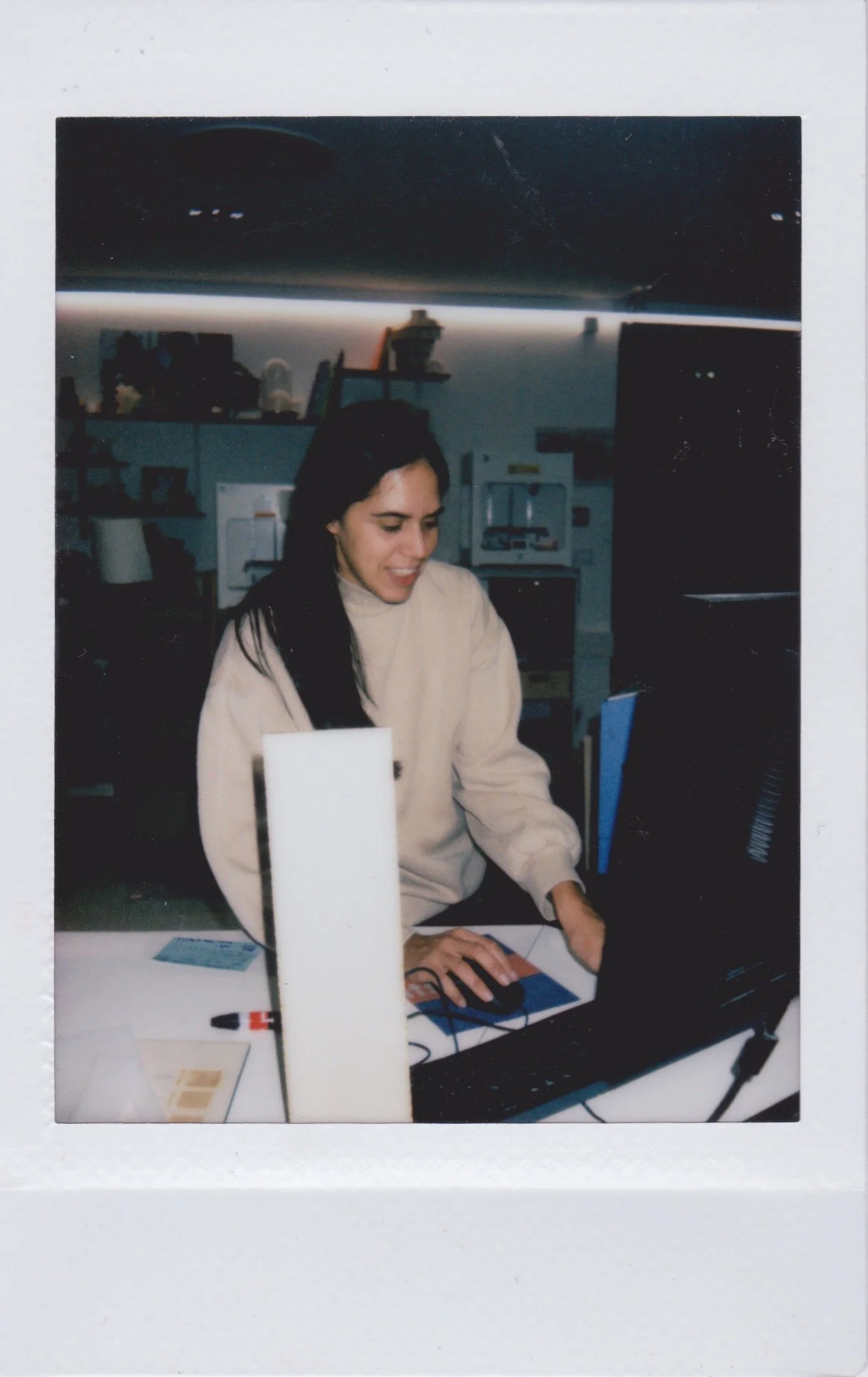
I led the work from early research through concept and prototyping, collaborating with an international, cross disciplinary team:
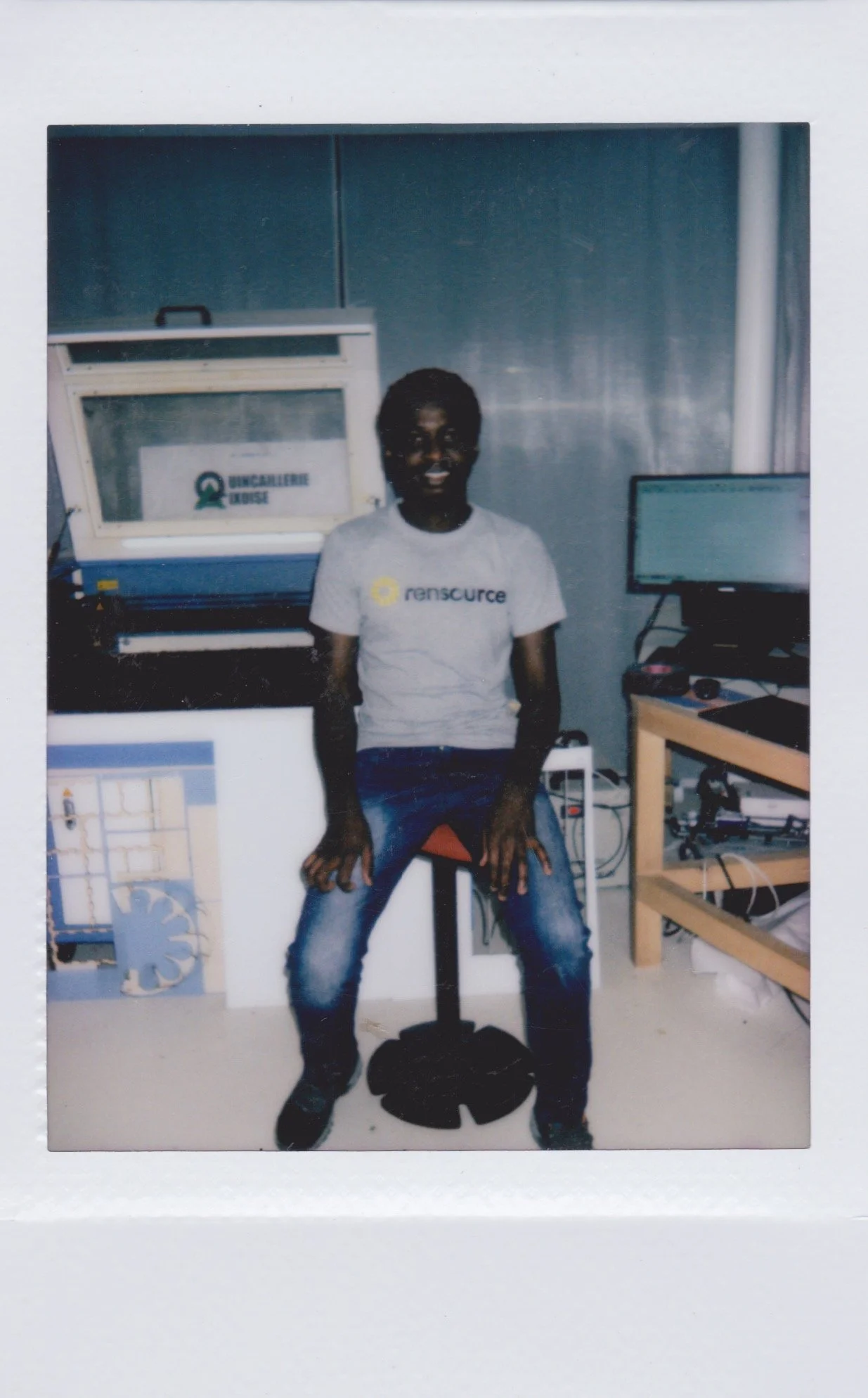
Oluwatobi Oyinlola, IoT architecture, Nigeria
Erik Arnell, 3D modeling, Sweden
Jean Baptiste, 3D art, France
Pepe Moussa, visual design, SenegalTechnical constraints around access and security shaped the direction of the work, guiding the project toward indirect, behavioral interventions instead of direct monitoring.
The outcome was a functional prototype, developed as an exploration of how design might help us pause, rather than push us further.

Sleep Orchestra
An exploration of intimate spaces and public actions
Developed between France and South Korea, 2019
Sleep Orchestra was an exploratory project focused on rest, sound, and the conditions that allow sleep to emerge. Rather than treating sleep as a problem to solve, the work approached it as a state to be supported.
The project investigated how sound, rhythm, and subtle interaction could influence the transition from wakefulness to rest. Research drew from cultural observations, listening practices, and early experiments with responsive systems.
I worked across research, interaction design, and prototyping, collaborating with technologists and musicians. The process emphasized listening, calibration, and iteration, shaping the work through small adjustments rather than fixed outcomes.
The project functioned as a learning space. It informed how I think about technology not as a source of stimulation, but as an environment that can recede, allowing the body to do what it already knows how to do.


Unit Home
This work was developed as an artistic exploration.
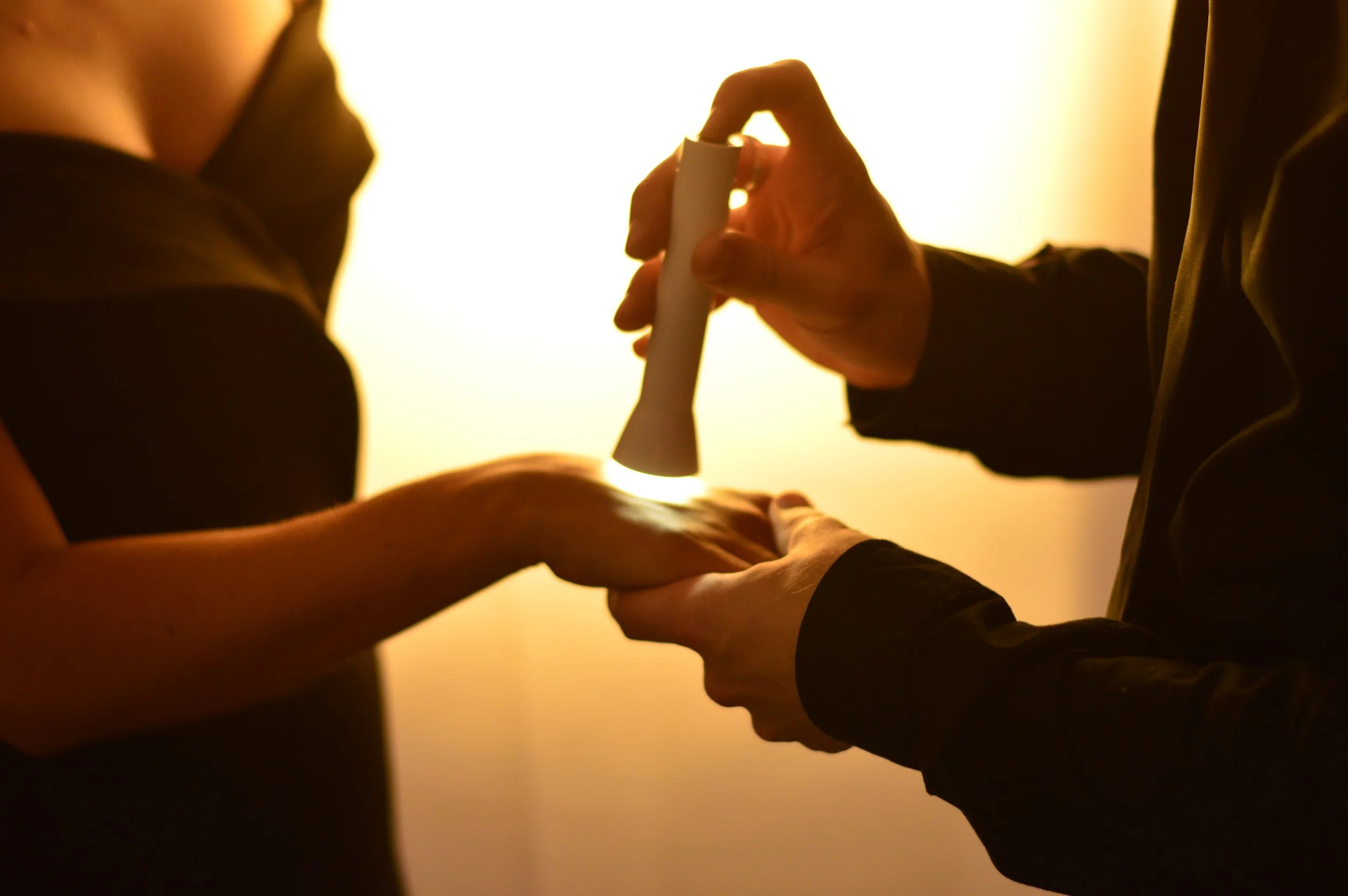
The piece imagined a world in which technology is worn on the body, used for authentication and communication through physical presence rather than screens. The focus was not on feasibility or solution design, but on how such a world might feel.
The work explored narrative, sensory experience, and proximity. Meaning was created through gesture, material, and interaction between bodies, rather than through interfaces or systems.
The process was speculative and experiential, using design as a way to ask questions about intimacy, identity, and connection.
Malmö, 2018


The Connectors Society
Designing for connection and collective making
I co founded and ran a nonprofit design practice focused on building community. The work used design and research methods in non traditional ways, applying them to democratic processes, learning, and everyday civic life.
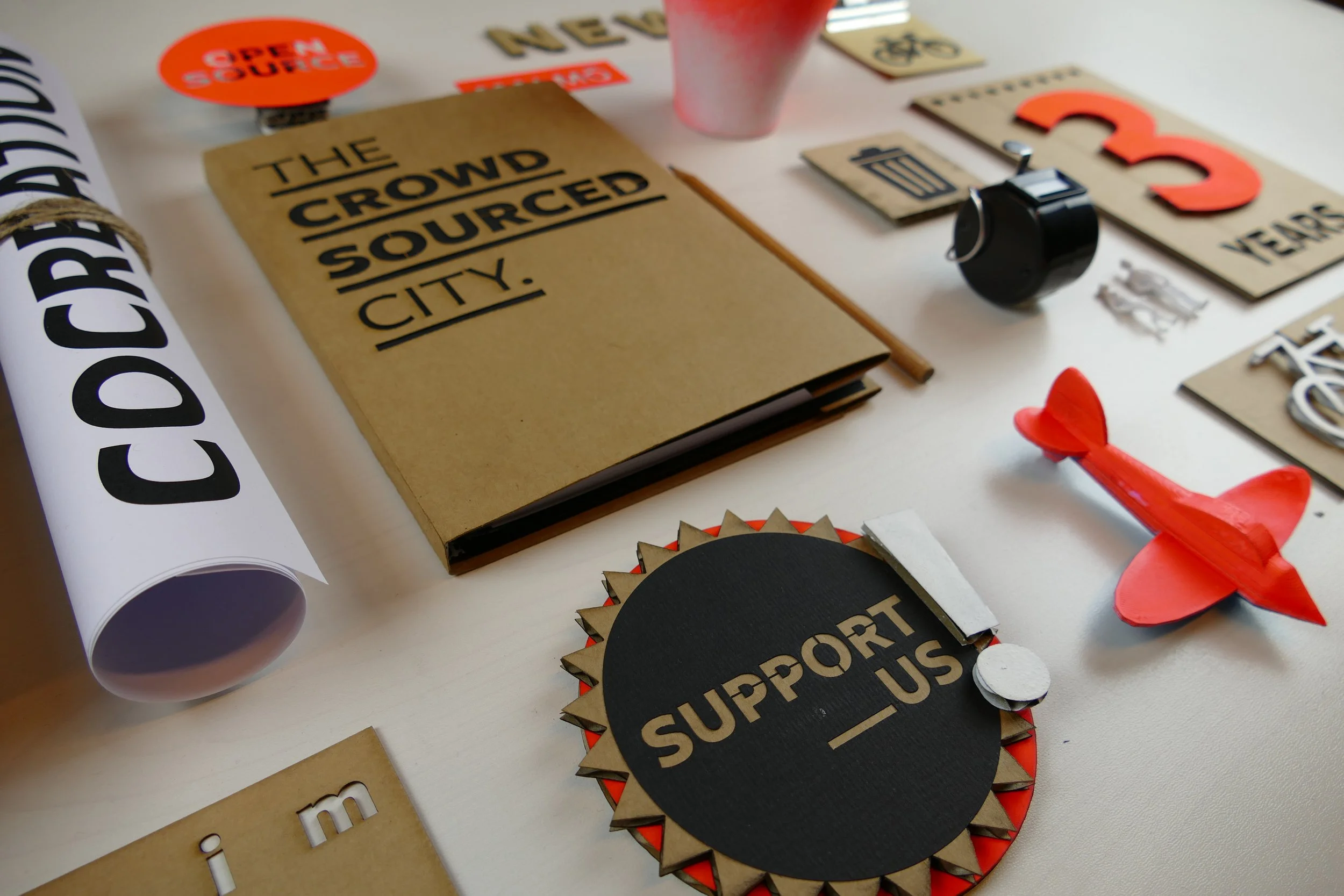
Together with municipalities and cultural institutions, including Malmö Municipality, we explored how public spaces could be shaped by the people using them. We gathered insight through participation, making, and shared activities, treating lived experience as our main source of understanding.
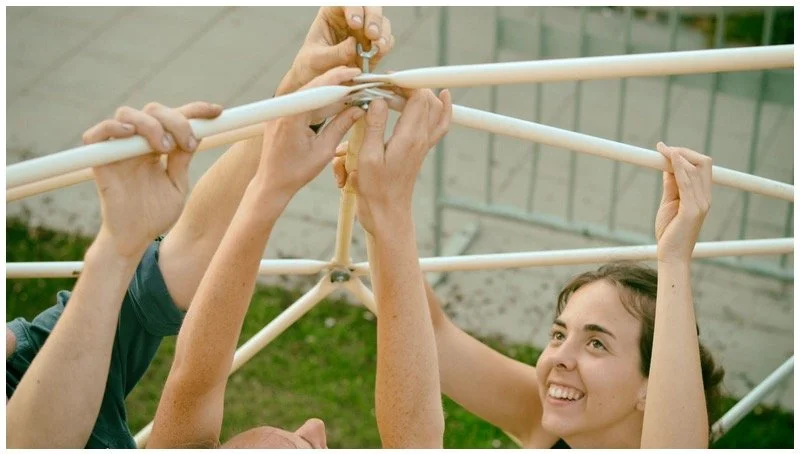
This was my first formal introduction to human centered design. We learned by doing. Programs, spaces, and formats were developed in the open, adjusted over time, and shaped by real use rather than plans on paper.
As part of the work, we secured funding, set up and test a living lab, and run experimental projects, immersive hackathons, and public events with hundreds of participants.
The work taught me how design operates inside real systems. It meant working with public funding, institutions, and community tension while keeping room for experimentation and learning.
Malmö, 2013-2017


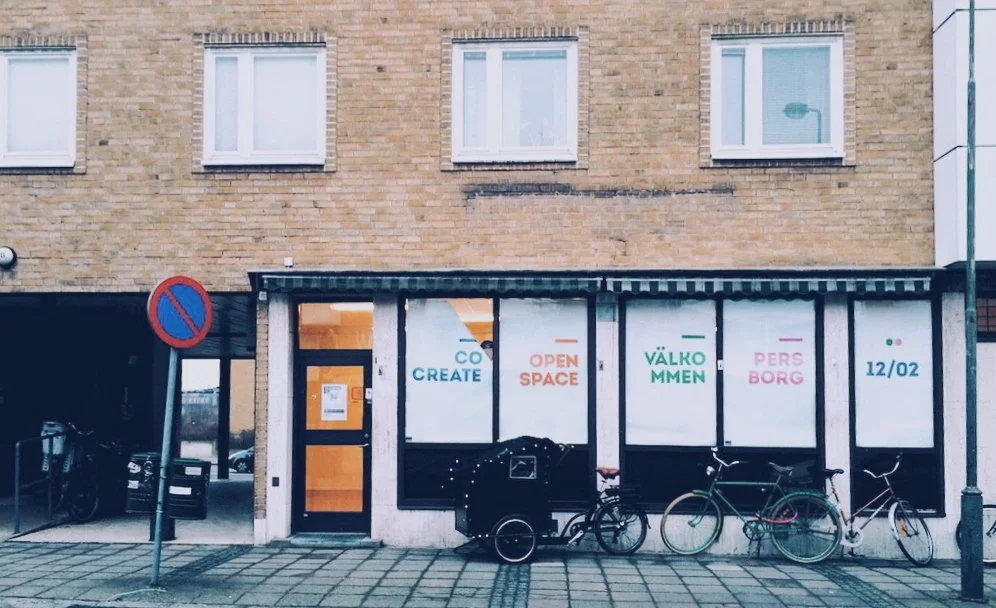
“Malmö’s crowd-sourced living room aims to break down walls between communities and power, harking back hundreds of years to a time when squares, piazzas and market places fostered community and nurtured civic debate”